Discover the Timeless Beatles Recording Techniques
- Billy Zabaleta
- Oct 3
- 4 min read

When I think about the magic behind the Beatles' legendary sound, I’m always drawn to the classic Beatles recording methods that shaped their music. These techniques weren’t just about technology; they were about creativity, experimentation, and a deep understanding of sound. Over the years, many have tried to replicate that iconic vibe, but few have truly captured the essence. Today, I want to take you on a journey through some of the most fascinating recording methods that made the Beatles’ music timeless.
Exploring the Classic Beatles Recording Methods
The Beatles’ recording sessions were groundbreaking for their time. They pushed the boundaries of what was possible in the studio, often inventing new ways to capture sound. One of the key elements was their use of innovative microphone placement. For example, they often placed microphones at unusual distances or angles to create unique reverberations and tonal qualities.
Another hallmark was their use of tape loops and backward recording. This technique involved recording sounds on tape, then playing them backward or looping them to create psychedelic effects. It was a bold move that added a new dimension to their music, especially on tracks like “Tomorrow Never Knows.”
The Beatles also embraced multi-tracking, layering multiple takes of vocals and instruments to build rich, complex arrangements. This was a relatively new technique at the time, and it allowed them to experiment with harmonies and textures in ways that were previously impossible.
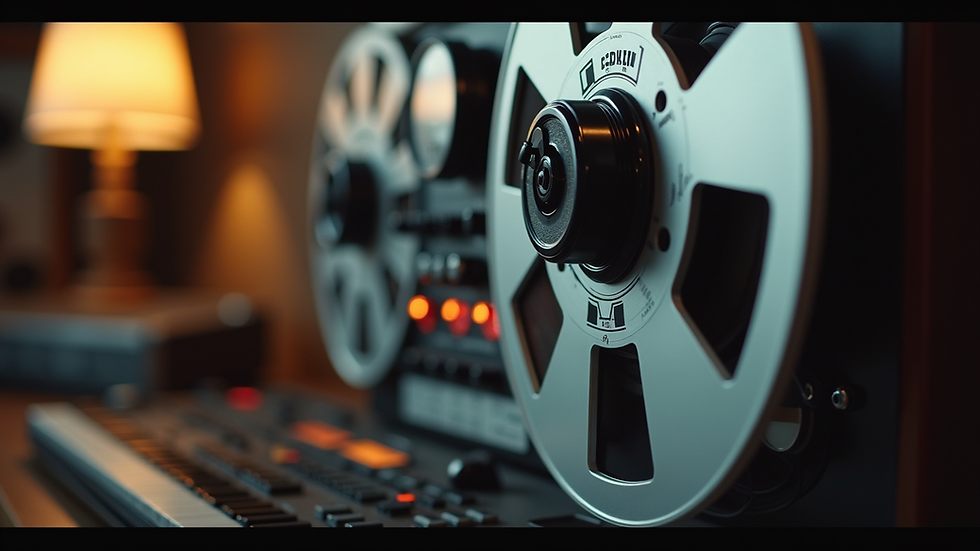
One of the most famous examples of their innovation was the use of automatic double tracking (ADT), a technique developed by their engineer Geoff Emerick. ADT created a natural-sounding double vocal effect without the need for the singer to record the same part twice. This saved time and added a lush, full sound to their vocals.
If you’re interested in applying some of these methods to your own recordings, start by experimenting with microphone placement. Try placing a mic farther from the source or in a different room to capture natural reverb. Also, don’t be afraid to layer your tracks and explore tape effects or digital plugins that mimic those vintage sounds.
What is the Beatles recording techniques book?
For those who want to dive deeper, the beatles recording techniques book is an invaluable resource. It offers detailed insights into the recording sessions, equipment, and creative decisions that defined the Beatles’ sound. Written with passion and precision, this book breaks down complex studio jargon into easy-to-understand language.
The book covers everything from the early days at Abbey Road Studios to the experimental sessions of “Sgt. Pepper’s Lonely Hearts Club Band.” It includes interviews with engineers like Geoff Emerick, who played a crucial role in shaping the Beatles’ sound. Their stories reveal how the band’s willingness to experiment led to some of the most iconic recordings in music history.
What I love about this book is how it balances technical detail with storytelling. It’s perfect for both musicians and fans who want to appreciate the artistry behind the music. Plus, it offers practical tips that you can try in your own home studio.

If you’re serious about understanding the Beatles’ recording legacy, this book is a must-have. It’s more than just a history lesson; it’s a guide to creativity and innovation in the studio.
The Role of Geoff Emerick in Shaping the Beatles’ Sound
No discussion of the Beatles’ recording methods would be complete without mentioning Geoff Emerick. As the band’s chief engineer during their most experimental years, Emerick was a key figure in bringing their ideas to life.
Emerick’s approach was hands-on and fearless. He wasn’t afraid to try unconventional techniques, like close-miking instruments or using compression in new ways. One of his most famous contributions was the distorted guitar sound on “Revolution,” achieved by pushing the amplifier to its limits and capturing the raw tone with a close microphone.
He also played a vital role in the development of ADT, which became a signature effect on many Beatles tracks. Emerick’s ability to blend technical skill with creative intuition helped the band explore new sonic territories.

For anyone interested in recording, studying Emerick’s work is incredibly inspiring. His story shows how engineering is not just about technology but about collaboration and imagination.
How to Incorporate Classic Beatles Recording Methods Today
Bringing the spirit of the Beatles into your own recordings is easier than you might think. Here are some practical steps to get started:
Experiment with Microphone Placement
Don’t just stick to the standard positions. Move your microphones around to find unique sounds. Try placing one mic close to the instrument and another farther away to capture room ambiance.
Use Tape Emulation Plugins
If you don’t have access to tape machines, digital plugins can simulate tape saturation and warmth. This adds character and depth to your recordings.
Layer Your Tracks
Record multiple takes of vocals or instruments and blend them together. This creates a fuller, richer sound reminiscent of the Beatles’ multi-tracking.
Try Reverse Effects
Record a sound and then reverse it in your DAW. This can add a psychedelic or dreamy quality to your music.
Explore ADT or Doubling Effects
Use delay or doubling plugins to mimic the automatic double tracking effect. This can make your vocals stand out without extra recording time.
By embracing these techniques, you can capture some of the magic that made the Beatles’ recordings so special. Remember, the key is to be creative and open to experimentation.
Celebrating the Legacy and Continuing the Journey
The Beatles’ classic recording methods are more than just historical footnotes. They are a source of inspiration for musicians and engineers around the world. Their willingness to innovate and push boundaries reminds us that great music comes from curiosity and passion.
If you want to celebrate this legacy, consider joining communities and forums dedicated to Beatles fans and recording enthusiasts. Places like Recording Revolution offer unique merchandise, expanded books, and lively discussions that keep the spirit alive.
By learning from the past and applying these timeless techniques, we can keep the Beatles’ sound vibrant and relevant for generations to come. Whether you’re a musician, producer, or simply a fan, there’s always something new to discover in the world of classic Beatles recording methods.
Let’s keep the music playing and the creativity flowing!


Comments